
Replacing Overgrown Shrubs: 5 Steps to Update Your Yard
It usually starts gradually.
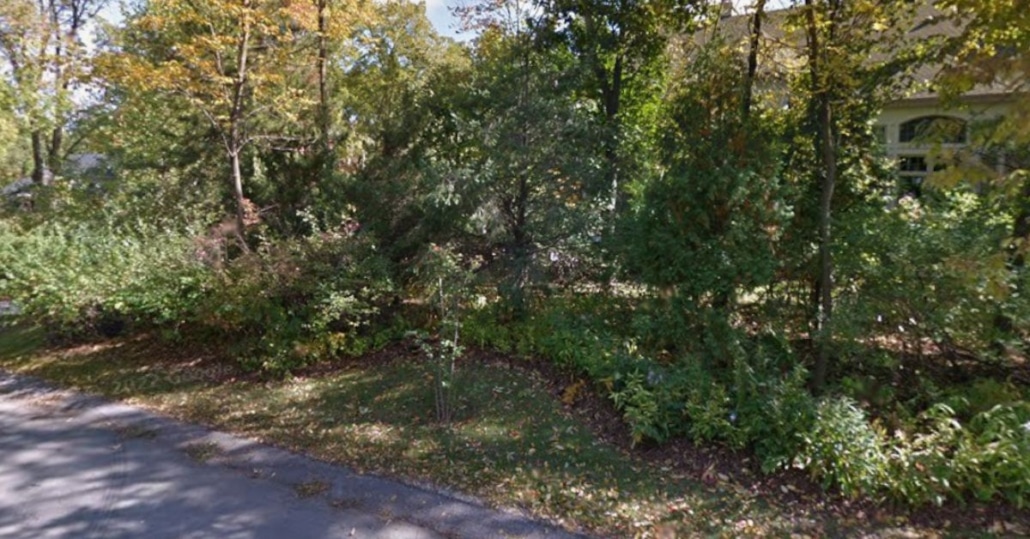
A shrub sits neatly below the window, then creeps higher each year. Branches push outward, softening the edges of the bed. Over time, what once felt balanced begins to feel crowded and overgrown.
Drive through a few neighborhoods in Brookfield, Elm Grove or Pewaukee, and you’ll see it everywhere. Foundation plantings that were installed years ago continue to grow well beyond their intended size.
Windows become partially covered. Architectural details fade behind dense growth. Entryways feel tighter, and the front of the home starts to look more crowded than welcoming.
Nothing is necessarily wrong. This is simply how plants grow.
Replacing overgrown shrubs is often less about fixing a problem and more about restoring balance.
What Should You Do When Foundation Shrubs Get Too Big?
When shrubs outgrow their space, trimming can help in the short term, but it doesn’t change how those plants will continue to grow over time.
Instead, it often makes more sense to step back and rethink the layout of the landscape bed as a whole. This may mean removing oversized plants, adjusting spacing, and choosing varieties that fit the scale of the home at maturity, not just when they’re first planted.
The goal is to create a foundation planting that improves curb appeal, grows into its space, remains proportionate to the home, and remains manageable over time.
5 Steps to Restore Balance to Overgrown Shrubs
Restoring balance starts with stepping back and looking at the layout as a whole. From there, it becomes easier to rework the planting so everything fits the home a little more naturally.
1. Clear the Slate First
Start by removing shrubs that have outgrown their space or no longer fit the layout. It opens everything up and makes it easier to see what you’re working with.
From there, remove any remaining roots, add soil where needed to level the bed, and redefine the edges. With everything pulled back, it becomes much easier to rethink spacing, scale, and how the planting should come together moving forward.
2. Choose Shorter Shrubs for Better Window Views
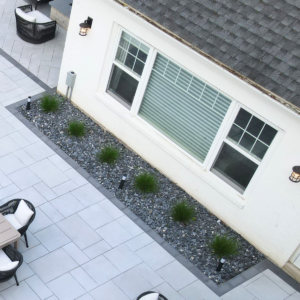
Not every shrub belongs in every location. What works in a larger bed or open area can quickly feel out of place when planted close to the house.
In most cases, this means keeping shrubs below the window line and choosing varieties that won’t outgrow the space. Focus on how each shrub will spread and fill in over time, not how it looks when it’s first installed.
3. Use Height Strategically
Once the main shrubs are in place, height can be used more intentionally to add structure without overwhelming the home.
A few slightly taller shrubs can be positioned at corners or between windows to create definition. This keeps the planting from feeling flat while avoiding a continuous wall of greenery across the front of the house.
Height can also come from other plantings. Ornamental grasses, perennials, or small accent trees can add variation and draw the eye without taking over the space.
When height is used selectively, it adds interest without overwhelming the home’s architecture.
4. Follow a Simple Layering Formula
A layered planting helps everything feel more organized and easier to maintain over time.
Start with lower shrubs near the front edge of the bed to define the border. Behind that, use mid-sized shrubs to create a consistent base. Then add a few taller accents to bring in height and structure without overwhelming the space.
For Wisconsin landscapes, choosing plants well-suited to the climate makes a noticeable difference. Boxwood and spirea are commonly used for structure, while hydrangea can add seasonal interest without taking over the space. Native options like ninebark or serviceberry also work well, offering durability and a more natural look.
Keeping the layout simple and repeating plant groupings helps the design feel cohesive instead of overly busy.
5. Plan for the Long Term
The decisions made during planting will shape how the space looks and functions for years to come.
Choose shrubs based on their mature size, not how they look when they’re first installed. A shrub that starts at two feet tall may reach six feet or more, which can quickly crowd windows, walkways, or neighboring plants if it’s placed too close.
Spacing matters just as much. Leaving enough room between shrubs allows them to fill in naturally without constant pruning to keep them separated or in bounds.
It’s also important to think about upkeep. Some shrubs hold their shape with minimal trimming, while others need to be cut back regularly to stay in scale with the home.
Planning ahead reduces the need for ongoing adjustments and helps keep the planting consistent as it grows.
Address Overgrown Shrubs with American Landscape
Updating overgrown shrubs is about more than removing what’s there. It’s an opportunity to rethink how your foundation planting fits your home today and how it will grow over time.
Working with an experienced team helps ensure the layout, plant selection, and spacing all support a balanced, long-term result.
American Landscape provides thoughtful design, proper installation, professional maintenance, and guidance based on plant choices that align with Wisconsin’s climate and native landscape.
Contact American Landscape today to schedule a consultation.