Tag Archive for: shrub care

Replacing Overgrown Shrubs: 5 Steps to Update Your Yard

It usually starts gradually.

A shrub sits neatly below the window, then creeps higher each year. Branches push outward, softening the edges of the bed. Over time, what once felt balanced begins to feel crowded and overgrown.

Drive through a few neighborhoods in Brookfield, Elm Grove or Pewaukee, and you’ll see it everywhere. Foundation plantings that were installed years ago continue to grow well beyond their intended size.

Windows become partially covered. Architectural details fade behind dense growth. Entryways feel tighter, and the front of the home starts to look more crowded than welcoming.

Nothing is necessarily wrong. This is simply how plants grow.

Replacing overgrown shrubs is often less about fixing a problem and more about restoring balance.

What Should You Do When Foundation Shrubs Get Too Big?

When shrubs outgrow their space, trimming can help in the short term, but it doesn’t change how those plants will continue to grow over time.

Instead, it often makes more sense to step back and rethink the layout of the landscape bed as a whole. This may mean removing oversized plants, adjusting spacing, and choosing varieties that fit the scale of the home at maturity, not just when they’re first planted.

The goal is to create a foundation planting that improves curb appeal, grows into its space, remains proportionate to the home, and remains manageable over time.

5 Steps to Restore Balance to Overgrown Shrubs

Restoring balance starts with stepping back and looking at the layout as a whole. From there, it becomes easier to rework the planting so everything fits the home a little more naturally.

1. Clear the Slate First

Start by removing shrubs that have outgrown their space or no longer fit the layout. It opens everything up and makes it easier to see what you’re working with.

From there, remove any remaining roots, add soil where needed to level the bed, and redefine the edges. With everything pulled back, it becomes much easier to rethink spacing, scale, and how the planting should come together moving forward.

2. Choose Shorter Shrubs for Better Window Views
Choosing the Right Shrubs

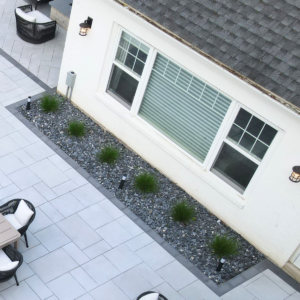
Not every shrub belongs in every location. What works in a larger bed or open area can quickly feel out of place when planted close to the house.

In most cases, this means keeping shrubs below the window line and choosing varieties that won’t outgrow the space. Focus on how each shrub will spread and fill in over time, not how it looks when it’s first installed.

3. Use Height Strategically

Once the main shrubs are in place, height can be used more intentionally to add structure without overwhelming the home.

A few slightly taller shrubs can be positioned at corners or between windows to create definition. This keeps the planting from feeling flat while avoiding a continuous wall of greenery across the front of the house.

Height can also come from other plantings. Ornamental grasses, perennials, or small accent trees can add variation and draw the eye without taking over the space.

When height is used selectively, it adds interest without overwhelming the home’s architecture.

4. Follow a Simple Layering Formula

A layered planting helps everything feel more organized and easier to maintain over time.

Start with lower shrubs near the front edge of the bed to define the border. Behind that, use mid-sized shrubs to create a consistent base. Then add a few taller accents to bring in height and structure without overwhelming the space.

For Wisconsin landscapes, choosing plants well-suited to the climate makes a noticeable difference. Boxwood and spirea are commonly used for structure, while hydrangea can add seasonal interest without taking over the space. Native options like ninebark or serviceberry also work well, offering durability and a more natural look.

Keeping the layout simple and repeating plant groupings helps the design feel cohesive instead of overly busy.

5. Plan for the Long Term

The decisions made during planting will shape how the space looks and functions for years to come.

Choose shrubs based on their mature size, not how they look when they’re first installed. A shrub that starts at two feet tall may reach six feet or more, which can quickly crowd windows, walkways, or neighboring plants if it’s placed too close.

Spacing matters just as much. Leaving enough room between shrubs allows them to fill in naturally without constant pruning to keep them separated or in bounds.

It’s also important to think about upkeep. Some shrubs hold their shape with minimal trimming, while others need to be cut back regularly to stay in scale with the home.

Planning ahead reduces the need for ongoing adjustments and helps keep the planting consistent as it grows.

Address Overgrown Shrubs with American Landscape

Updating overgrown shrubs is about more than removing what’s there. It’s an opportunity to rethink how your foundation planting fits your home today and how it will grow over time.

Working with an experienced team helps ensure the layout, plant selection, and spacing all support a balanced, long-term result.

American Landscape provides thoughtful design, proper installation, professional maintenance, and guidance based on plant choices that align with Wisconsin’s climate and native landscape.

Contact American Landscape today to schedule a consultation.

 

Snow and Your Landscape


Unless you participate in winter sports, you probably dread winter snow—except at Christmas. Your landscape plants, however, look forward to it each year.

Snow plays a vital role in our ecosystem here in Wisconsin. Plants and animals depend on it to survive the winter months and emerge strong and healthy in spring.

First, snow is an excellent insulator. Our instinct as humans is to protect new plants from snow, fearing damage because of the cold. In reality, nothing could be better for them. A thick layer of snow shields plants from extreme cold and the wild temperature fluctuations we’ve been experiencing. Soil beneath snow cover does not freeze and thaw as quickly, which helps prevent tender roots from heaving out of the ground. Snow also acts like a blanket, trapping warm air and protecting hibernating amphibians, reptiles, and mammals.

The moisture provided by snow is also beneficial, keeping plants and soil hydrated. Moist soil helps prevent erosion, and when spring arrives, plants rely on ample water to fuel their rapid growth spurt. As snow melts slowly into the ground, it provides a steady source of moisture and gives plants a healthy start to the season. Additional runoff from melting snow benefits animals emerging from hibernation by creating ephemeral streams and pools needed for their life cycles. This moisture also contributes to the composting process, helping break down leaves and other organic matter into nutrients for your soil.

The Downsides of Snow and Your Landscape

Snow and Your LandscapeHeavy snow can sometimes cause damage to evergreens, especially when it is very wet. We experienced this a few years ago, when conditions were just right to cause significant damage to arborvitae and snap branches on pines and spruce. Fortunately, this was an unusual event. Most plants are flexible and can withstand snowfall, but certain situations in your yard may require human intervention. If a branch appears excessively weighed down, you can gently remove snow with a broom to reduce the load. Sometimes Mother Nature wins, and other times branches will slowly spring back into place.

Salt can also be harmful to plants, particularly along the edges of driveways and landscape beds. Excessive salt can burn turf, accumulate and toxify the soil, or weaken plants. In residential yards, snowmelt and spring rains typically flush salt from the soil, allowing lawns to recover. On commercial properties, where large amounts of salt are applied for safety, long-term damage may occur and require additional effort to correct.

One final disadvantage of snow cover is that it creates a cozy environment for small mammals such as voles and rabbits to burrow beneath and stay warm. As we know, these animals—along with deer—can cause significant damage to landscapes over the winter. While vole damage in lawns is usually easy to repair, deer searching for food and burrowing rodents can wreak havoc in a short period of time. For larger pests like deer and rabbits, consider winterizing plants they are drawn to. For smaller pests such as mice or voles, contacting a pest control specialist is often the best solution.


How Do I Prune Hydrangeas?

“How do I prune hydrangeas” sounds like a simple question, right? But, to do it correctly, this question needs to be tackled in three parts.  We first have to answer:

What kind of hydrangea do you have?

When is the right time to prune the type of hydrangea you have?

What is the best way to prune your hydrangea?

Identifying Hydrangeas

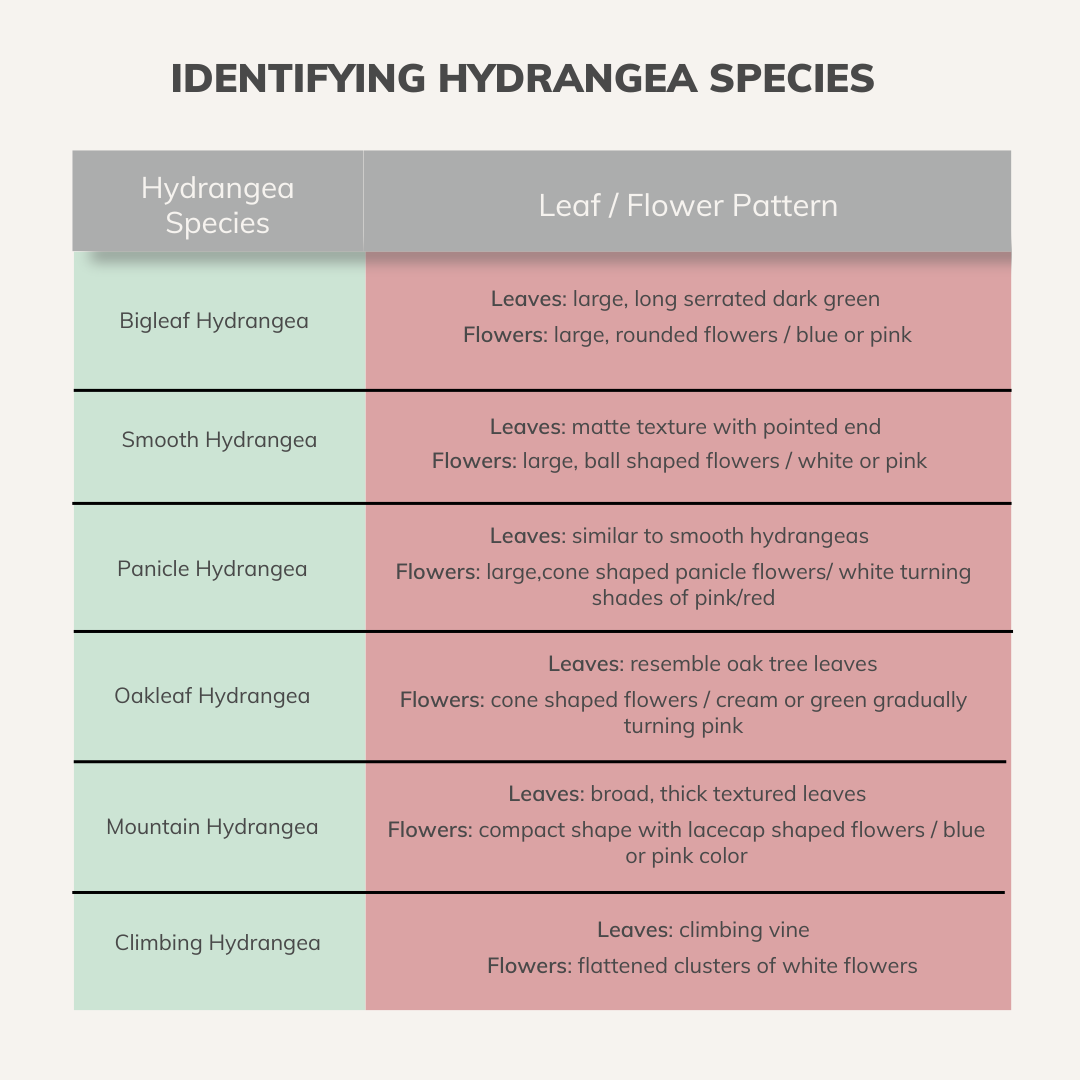
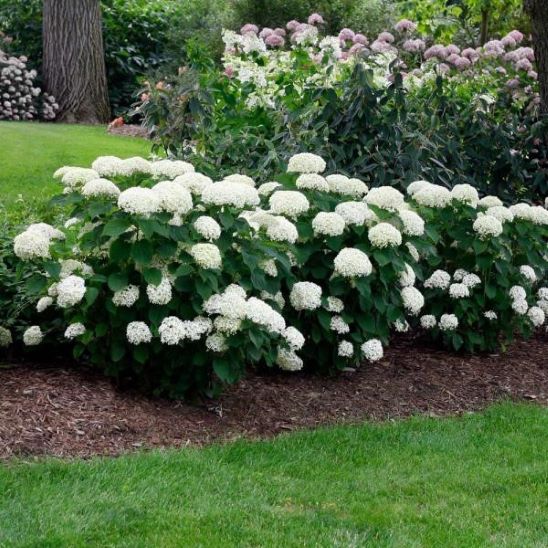
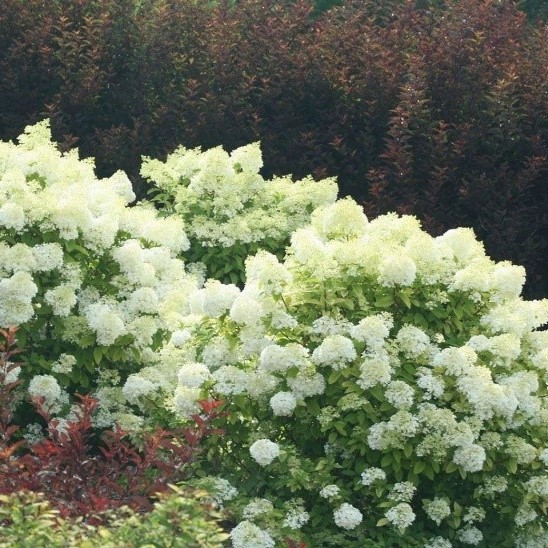
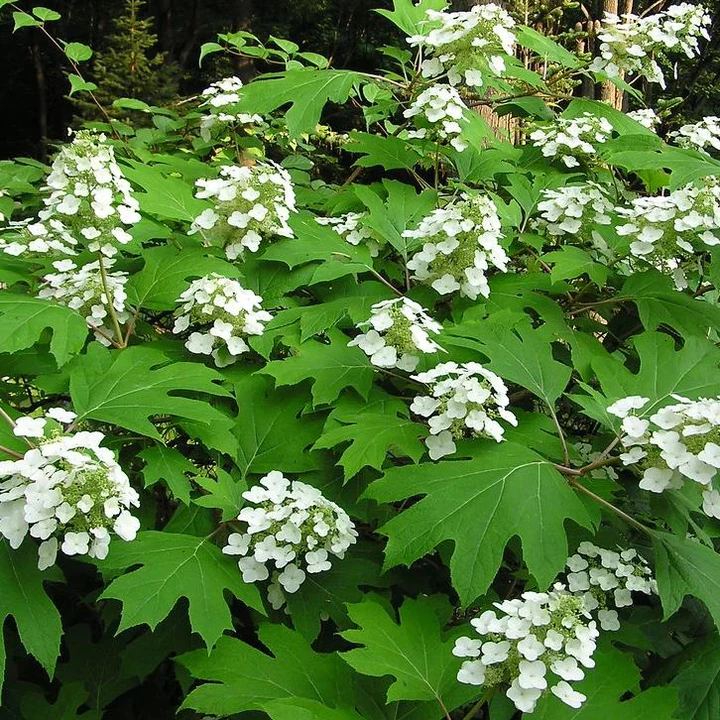
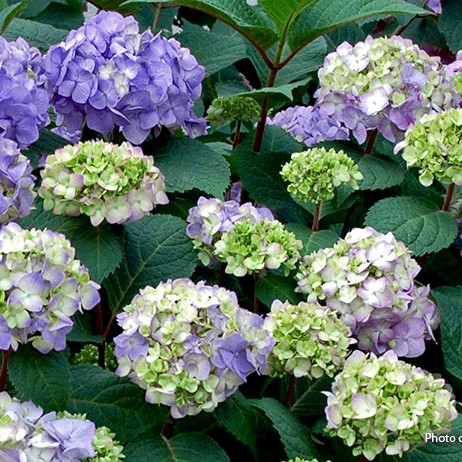
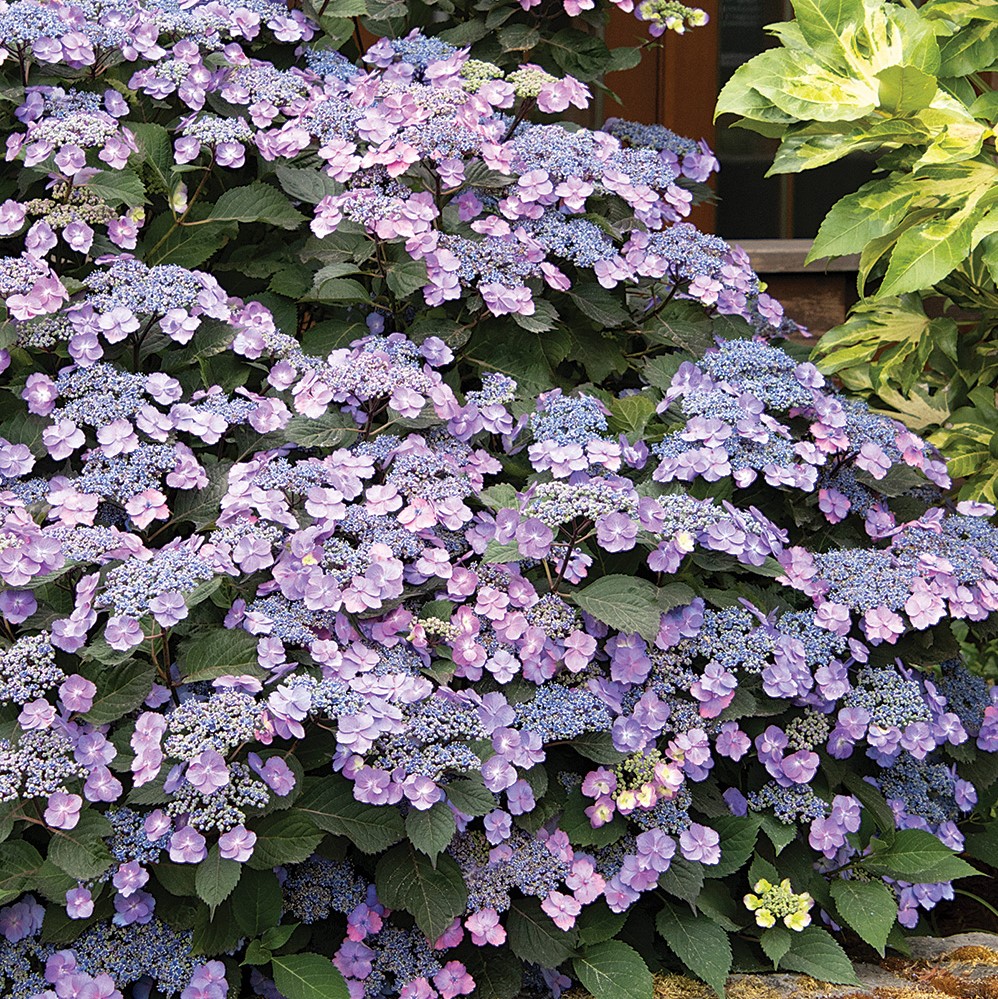
There are SIX different species of hydrangea commonly found in gardens and to know when and how to prune them correctly, you’ll need to determine which type you have.  The species will let us know if it blooms on new or old wood, which is critical information to have before getting your pruning shears out. Lop off the buds and you will risk having a subpar showing of flowers in spring! You can identify your hydrangea species through the flowering and leaf pattern.

Identifying Hydrangea Species and Types

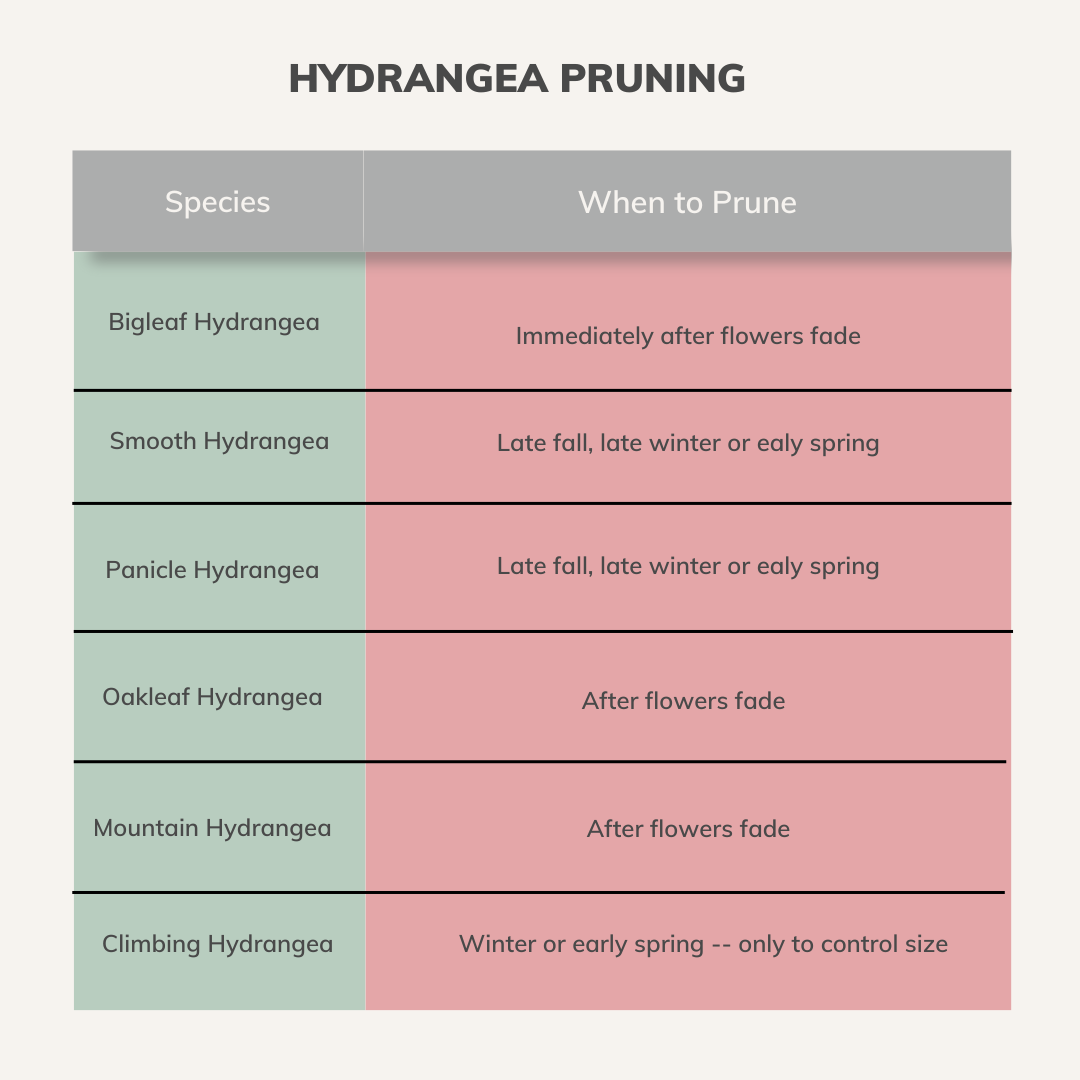
When to Prune Hydrangeas

Once you have successfully identified the type of hydrangea you have, you need to know whether it blooms on new or old wood. This information will guide the timing of your pruning.

New growth: Shrubs that bloom on new growth should be pruned in late fall once the plants have gone dormant or in early spring before new growth has started. This will maximize the amount of new growth and the number of flowers your shrub produces.

Hydrangeas that bloom on new wood:

  • Smooth hydrangeas
  • Panicle hydrangeas

Old growth: Shrubs that bloom on old growth, should be pruned immediately after their flowers have faded. This gives the plant plenty of time to develop wood that will be “old” by the time the next season’s flower buds emerge.

PRO TIP: Most experts agree that hydrangeas that bloom on old wood do not need aggressive pruning. Rather, you should aim to prune only when needing to shape or maintain their size.

Hydrangeas that bloom on old wood:

  • Oakleaf hydrangeas
  • Bigleaf hydrangeas
  • Mountain hydrangeas

When to Prune Hydrangeas

How to Prune Hydrangeas

In general, flowering woody shrubs that bloom on new wood thrive on somewhat aggressive pruning, while those that bloom on old wood require more careful restrained pruning. Hydrangeas are no exception.

The two species that bloom on new wood—panicle and smooth hydrangeas—do well with an aggressive annual pruning that removes as much as one-third of the shrub. So, for example, if your hydrangea is six feet tall, you can safely prune as much as two feet off the top and sides. Be wary of pruning more than 30% of the shrub to avoid removing too much of its framework needed to keep it upright. For best results, prune back stems to just above (1/4”) a fat bud or a healthy set of leaves.

We have experts on our team who know exactly when and how to prune your shrubs to keep them healthy and producing beautiful foliage and flowers. Call (262) 252-4260 or complete a contact form here.
[/av_textblock]

Want to stay in the loop?
Sign up for our newsletter.

"*" indicates required fields

This field is for validation purposes and should be left unchanged.
Name*

American Landscape - 50 Years of Outstanding Landscaping Service to the Greater Milwaukee Area

(262)252-4260
info@amerlandscape.com

N60 W16073 Kohler Ln,
Menomonee Falls, WI 53051