
Tag Archive for: walkways

Is It Time to Redo Your Front Walkway or Entry?

The path to your front door plays a big role in how your home feels the moment someone arrives. Cracked concrete, uneven pavers, or overgrown planting beds can gradually make the space feel worn down, crowded, or disconnected from the rest of your landscape.
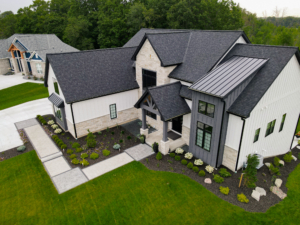
Pewaukee New Construction LandscapingIn neighborhoods from Elm Grove to Lake Country and Mequon, it’s common for front walks and entry areas to shift over time as seasons change and landscapes mature. What once felt clean and welcoming can slowly become awkward to navigate or start looking dated compared to the rest of the home.

Redoing this area can improve both the function and appearance of your entryway. Small updates to the layout, materials, or surrounding landscape can help the front of the home feel cleaner, safer, and more welcoming while improving overall curb appeal.

Should I Redo My Front Walkway?
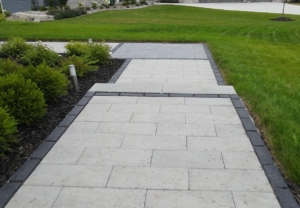
Redo Your Front WalkwayYou may want to redo your front walkway if the approach to your home feels damaged, difficult to navigate, or out of proportion with the house. Ask yourself:


  • Is the concrete cracked or uneven?
  • Is the walkway too narrow?
  • Are plants crowding the walk or front steps?
  • Does the layout feel disconnected from the driveway, public sidewalk, or front door?

Updating the walkway can improve curb appeal, improve safety, and create a smoother flow from the street or driveway to your front door.

5 Upgrades That Make a Big Difference

If your front entry feels worn down, crowded, or outdated, a few well-planned updates can make a noticeable difference. Here are five upgrades to consider when redoing your front walkway and entry.

1. Widen the Walkway

A narrow walkway can make the approach feel cramped or awkward to navigate, especially near the front steps and door. Widening the walkway creates a more open, comfortable path and improves access from the driveway or sidewalk to the entry.

It can also help the walkway feel more balanced in relation to the scale of the home itself. Even a modest increase in width can make the arrival zone feel more open and inviting.

2. Update the Materials

The materials you choose for this main path have a big impact on how your home’s front approach looks and feels. Replacing worn or outdated surfaces with materials that better match the home can give the entire space a cleaner, more finished look.

Many homeowners choose pavers for a more polished, custom look, but the right material depends on the home’s style and how the space is used. Durability and long-term maintenance are also important considerations, especially in climates like Wisconsin, where freeze-thaw cycles can affect hardscape surfaces over time.

Matching the new walkway with nearby hardscape features, such as steps, patios, or borders, can also help the overall design feel more pulled together.

3. Clean Up the Plant Beds

Overgrown or poorly shaped plant beds can make the space around your front door feel crowded and take attention away from the walkway and front door. Cleaning up the surrounding landscape helps the area feel more open, intentional, and well cared for.

Removing oversized plants, redefining bed edges, and simplifying the overall planting design can make a noticeable difference without completely changing the landscape. The goal is to use plants to frame the entrance and soften the space, not compete with the walkway itself.

Well-maintained planting beds also tie the walkway into the rest of the front yard, creating a cleaner, more unified look.

4. Improve the Transition to the Entry

The connection between the walkway, steps, and front door should feel natural and easy to navigate. Tight landings, uneven step spacing, or abrupt turns near the front door can make the space feel awkward and disconnected.

Improving the transition may involve widening the landing area, adjusting step placement, or redesigning the layout to make movement toward the front door feel more natural. In some cases, small layout changes are enough to make the entry feel safer, easier to navigate, and better connected to the rest of the home.

5. Add Finishing Details

The smaller details around your front walk can have a big impact on your home’s overall first impression. Once the layout, materials, and plant beds are updated, finishing touches help tie everything together and make the space feel complete.

Landscape lighting can improve visibility around walkways, steps, and the front door while adding warmth to the entry at night. Decorative borders, refreshed bed lines, and coordinated hardscape details can also help create a cleaner separation among the walkway, lawn, and planting areas.

These updates do not need to be elaborate. Simple, well-planned details are often what give this area a cleaner, more polished appearance.

Updating Your Front Walkway with American Landscape

Redoing your front walkway is one of the most effective ways to boost curb appeal while making your everyday arrival more functional and welcoming. Thoughtful design-build planning helps create an entry that feels connected to the home, fits the surrounding landscape, and works better for everyday use.

From updated materials and wider walks to refreshed plant beds and smoother transitions, the right changes can completely reshape how your home looks and feels from the street.

Contact our team today to discuss ideas for updating your front walkway and creating an entry that feels polished and inviting.

5 Eco-Friendly Walkway Materials for Your Outdoor Space

Choosing the right materials for your outdoor space isn’t just about aesthetics—it’s about making choices that benefit both your home and the environment.

Eco-friendly walkway materials are becoming increasingly popular as more homeowners look for ways to create beautiful, sustainable landscapes.

Whether planning a new pathway or upgrading an existing one, selecting eco-friendly materials is a step towards a greener future that offers long-lasting benefits for you and your outdoor space.

Why Choose Eco-Friendly Walkway Materials?

Opting for eco-friendly walkway materials is more than just a trend—it’s a thoughtful choice that benefits both your outdoor space and the environment.

informal stone paths

First and foremost, these materials help reduce your carbon footprint by minimizing the use of non-renewable resources and lowering greenhouse gas emissions. When you choose sustainable options like permeable pavers or natural stones, you’re contributing to a healthier planet.

Beyond the environmental impact, eco-friendly materials often offer long-term cost savings. Many of these options are highly durable, requiring less maintenance and fewer replacements over time. This saves money and reduces waste, further supporting sustainability efforts.

Additionally, eco-friendly walkway materials can enhance the natural beauty of your garden, seamlessly blending with the surrounding landscape. By picking materials that go well with nature, you create a space that blends seamlessly with the landscape and creates a more harmonious outdoor environment.

5 Eco-Friendly Walkway Materials to Consider

When choosing materials for your outdoor walkways, eco-friendly options enhance your space’s beauty and support sustainable practices. Here’s a look at five excellent eco-friendly walkway materials that blend functionality with environmental benefits:

1. Gravel

Gravel is a popular choice for walkways due to its natural look, durability, low cost and ease of installation. For example, pea gravel creates a soft, natural surface that complements informal garden settings, while crushed granite offers excellent stability and a more structured appearance suited for modern landscapes.

Gravel allows for excellent drainage, making it a permeable option that helps manage water runoff and reduces erosion. This is particularly useful in areas prone to heavy rainfall.

2. Decomposed Granite

Decomposed granite offers a compact, natural appearance that blends well with garden environments. For example, decomposed granite pathways create a solid, stable surface that remains resilient under foot traffic, making it perfect for garden trails or informal paths.

Its natural look and easy maintenance make it a popular choice for eco-friendly landscaping. Decomposed granite is often used in xeriscaping projects, where water conservation is key, providing a visually appealing surface that complements drought-tolerant plants.

3. Recycled Concrete Pavers

Recycled concrete pavers are an excellent example of sustainable material use. Made from repurposed concrete, these pavers can feature varied designs, such as interlocking paver systems or mosaic patterns, adding both strength and aesthetic versatility to walkways.

They help reduce waste from demolished structures and lower the environmental impact of construction materials.

For instance, a walkway made from recycled concrete pavers might include patterns that mimic natural stone, providing a stylish and eco-friendly solution for outdoor spaces.

Natural Stone pavers
4. Natural Stone

Natural stone is prized for its longevity and aesthetic appeal. Materials like flagstone, often used in classic stepping stone paths, or slate, which can be cut into tiles for a sophisticated look, are durable and can be sourced with minimal environmental impact.

For example, Flagstone is used in residential and commercial landscapes due to its strength and timeless appeal. Its natural variations in color and texture ensure that each walkway is unique, enhancing the overall aesthetic of the outdoor space while providing a durable surface.

Permeable Paver5. Permeable Pavers

Permeable pavers are designed to manage water efficiently, allowing it to pass through the surface and into the ground. Permeable interlocking concrete pavers, for example, help reduce runoff and support sustainable water management.

These pavers combine traditional charm with modern functionality, making them practical for residential and garden walkways. Their ability to handle storm water effectively helps prevent flooding and erosion while offering an attractive solution for eco-conscious landscaping.

Key Considerations When Choosing Eco-Friendly Walkway Materials

Selecting suitable eco-friendly walkway materials involves more than just choosing a sustainable option. Several key factors should guide your decision to ensure that your walkway meets both functional and aesthetic needs.

Climate

The local climate is crucial in determining which materials will perform best. For instance, gravel or permeable pavers that facilitate drainage in regions with heavy rainfall can help prevent water pooling and erosion. Composed granite or crushed stone might be preferable in arid climates due to their durability and low maintenance needs.

Soil Type

The type of soil in your garden influences the performance of certain materials. Materials like gravel and crushed stone can provide a stable surface if your soil is sandy or loose. Conversely, if you have clay soil that can become muddy and compacted, opting for materials with good drainage properties, such as permeable pavers, can help mitigate water runoff and soil erosion issues.

Intended Use of the Pathway

To select the most suitable material, consider how the walkway will be used. Crushed stone or recycled concrete pavers offer durability and resistance to wear in high-traffic areas. Natural stone or decomposed granite can provide both aesthetic appeal and functionality for decorative pathways in a garden. The intended use will guide you towards materials that balance durability with design considerations.

Sourcing Materials Locally

To further enhance the sustainability of your walkway, prioritize sourcing materials locally. This practice helps reduce transportation emissions and supports local economies. For example, locally quarried natural stone or regional crushed stone minimizes the carbon footprint of transporting materials over long distances. Additionally, local materials often blend more harmoniously with the surrounding landscape.

Aesthetic Appeal and Landscape Integration

The visual impact of your walkway is as essential as its functionality. Choose materials that complement the overall design of your landscape. Natural stone offers a classic look that pairs well with traditional gardens, while crushed stone or decomposed granite can suit modern or minimalist designs. Consider the materials’ colors, textures, and patterns to ensure they enhance the visual harmony of your outdoor space. By considering these factors, you can select eco-friendly walkway materials that align with your sustainability goals and meet practical and aesthetic needs, creating a beautiful and functional walkway.

Eco-Friendly Walkways From American Landscape

Selecting eco-friendly walkway materials benefits the environment and enhances the beauty and functionality of outdoor areas. By focusing on climate, soil type, and local sourcing, you ensure that your pathway is both practical and stylish.


Ready to design the perfect eco-friendly walkway? Contact American Landscape today.

Want to stay in the loop?
Sign up for our newsletter.

"*" indicates required fields

This field is for validation purposes and should be left unchanged.
Name*

American Landscape - 50 Years of Outstanding Landscaping Service to the Greater Milwaukee Area

(262)252-4260

N60 W16073 Kohler Ln,
Menomonee Falls, WI 53051