
Is It Time to Redo Your Front Walkway or Entry?
The path to your front door plays a big role in how your home feels the moment someone arrives. Cracked concrete, uneven pavers, or overgrown planting beds can gradually make the space feel worn down, crowded, or disconnected from the rest of your landscape.
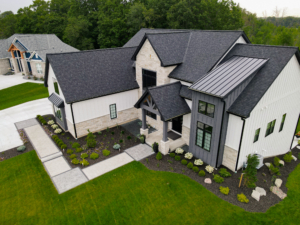 In neighborhoods from Elm Grove to Lake Country and Mequon, it’s common for front walks and entry areas to shift over time as seasons change and landscapes mature. What once felt clean and welcoming can slowly become awkward to navigate or start looking dated compared to the rest of the home.
Redoing this area can improve both the function and appearance of your entryway. Small updates to the layout, materials, or surrounding landscape can help the front of the home feel cleaner, safer, and more welcoming while improving overall curb appeal.
Should I Redo My Front Walkway?
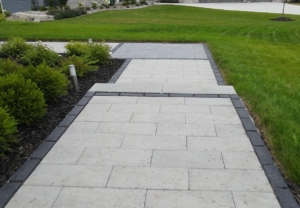 You may want to redo your front walkway if the approach to your home feels damaged, difficult to navigate, or out of proportion with the house. Ask yourself:
- Is the concrete cracked or uneven?
- Is the walkway too narrow?
- Are plants crowding the walk or front steps?
- Does the layout feel disconnected from the driveway, public sidewalk, or front door?
Updating the walkway can improve curb appeal, improve safety, and create a smoother flow from the street or driveway to your front door.
5 Upgrades That Make a Big Difference
If your front entry feels worn down, crowded, or outdated, a few well-planned updates can make a noticeable difference. Here are five upgrades to consider when redoing your front walkway and entry.
1. Widen the Walkway
A narrow walkway can make the approach feel cramped or awkward to navigate, especially near the front steps and door. Widening the walkway creates a more open, comfortable path and improves access from the driveway or sidewalk to the entry.
It can also help the walkway feel more balanced in relation to the scale of the home itself. Even a modest increase in width can make the arrival zone feel more open and inviting.
2. Update the Materials
The materials you choose for this main path have a big impact on how your home’s front approach looks and feels. Replacing worn or outdated surfaces with materials that better match the home can give the entire space a cleaner, more finished look.
Many homeowners choose pavers for a more polished, custom look, but the right material depends on the home’s style and how the space is used. Durability and long-term maintenance are also important considerations, especially in climates like Wisconsin, where freeze-thaw cycles can affect hardscape surfaces over time.
Matching the new walkway with nearby hardscape features, such as steps, patios, or borders, can also help the overall design feel more pulled together.
3. Clean Up the Plant Beds
Overgrown or poorly shaped plant beds can make the space around your front door feel crowded and take attention away from the walkway and front door. Cleaning up the surrounding landscape helps the area feel more open, intentional, and well cared for.
Removing oversized plants, redefining bed edges, and simplifying the overall planting design can make a noticeable difference without completely changing the landscape. The goal is to use plants to frame the entrance and soften the space, not compete with the walkway itself.
Well-maintained planting beds also tie the walkway into the rest of the front yard, creating a cleaner, more unified look.
4. Improve the Transition to the Entry
The connection between the walkway, steps, and front door should feel natural and easy to navigate. Tight landings, uneven step spacing, or abrupt turns near the front door can make the space feel awkward and disconnected.
Improving the transition may involve widening the landing area, adjusting step placement, or redesigning the layout to make movement toward the front door feel more natural. In some cases, small layout changes are enough to make the entry feel safer, easier to navigate, and better connected to the rest of the home.
5. Add Finishing Details
The smaller details around your front walk can have a big impact on your home’s overall first impression. Once the layout, materials, and plant beds are updated, finishing touches help tie everything together and make the space feel complete.
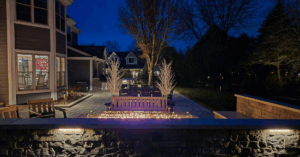
Landscape lighting can improve visibility around walkways, steps, and the front door while adding warmth to the entry at night. Decorative borders, refreshed bed lines, and coordinated hardscape details can also help create a cleaner separation among the walkway, lawn, and planting areas.
These updates do not need to be elaborate. Simple, well-planned details are often what give this area a cleaner, more polished appearance.
Updating Your Front Walkway with American Landscape
Redoing your front walkway is one of the most effective ways to boost curb appeal while making your everyday arrival more functional and welcoming. Thoughtful design-build planning helps create an entry that feels connected to the home, fits the surrounding landscape, and works better for everyday use.
From updated materials and wider walks to refreshed plant beds and smoother transitions, the right changes can completely reshape how your home looks and feels from the street.
Contact our team today to discuss ideas for updating your front walkway and creating an entry that feels polished and inviting.

 4. Natural Stone
 5. Permeable Pavers

