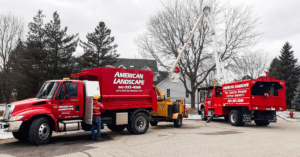
Tree Care Services in Milwaukee

Winter Tree Pruning: 5 Steps Arborists Take to Prepare Trees for Spring

While trees appear still during late winter, their structure and future growth are already set. The way branches are shaped, supported, or stressed now directly affects how a tree responds when spring growth begins.

With foliage gone, a tree’s framework is fully visible, and the dormant season allows pruning work to be done with minimal stress to the tree. This makes it easier to identify weak, damaged, or poorly positioned branches and address potential safety concerns before outdoor spaces become active again.

Pruning is not simply a cosmetic task; it influences how a tree grows and performs over time. Proper winter tree pruning requires an understanding of tree biology, growth habits, and safety practices. When handled by trained professionals, it prepares trees for a stronger, healthier growing season ahead.

Why Late Winter Is Ideal For Tree Pruning

Winter Tree Care Services

Late winter offers conditions that make pruning both more effective for the tree and safer for the surrounding property. With trees dormant, they are better able to tolerate pruning without the stress associated with active growth.

During dormancy, energy is stored rather than spent on producing leaves or new shoots. Pruning at this stage keeps cuts clean and stable until warmer temperatures arrive, when the tree can naturally seal wounds and direct growth where it is needed most.

The absence of leaves also gives arborists a clear view of the tree’s structure. Crossing branches, weak attachments, and hidden imbalances that emerge during the growing season are easier to identify and correct. This enables precise, intentional cuts that improve strength and form, rather than reactive trimming later in the year.

Late winter timing can also reduce the risk of spreading certain insects and diseases that are more active during warmer months. Pruning during dormancy helps limit exposure during a season when fresh cuts are less vulnerable.

Together, these factors make late winter one of the most effective times to evaluate and prune trees with long-term health, safety, and appearance in mind.

5 Key Steps Arborists Take in Late Winter Pruning

Understanding why late winter is the right time to prune is only part of the equation. How pruning is approached matters just as much.

Professional arborists approach late winter tree pruning as a deliberate process, making intentional decisions that support a tree’s health, structure, and safety while preparing it for the growing season and long-term performance.

Step 1: Arborist Assessment and Diagnosis

Late winter tree pruning begins with a thorough assessment of the tree. Before any cuts are made, arborists evaluate the tree’s species, age, overall health, and growing environment to understand how it has developed and what challenges it may be facing.

An Arborist assessment typically includes:

  • Signs of past storm damage, decay, or structural weakness
  • Branching patterns that may lead to poor structure or future failure
  • Stress caused by site conditions such as soil, spacing, or competition
  • Proximity to homes, driveways, walkways, and other landscape features
  • Clearance or safety concerns that may need to be addressed before spring

By starting with a full diagnosis, arborists can determine which branches should be removed, reduced, or left alone. This upfront evaluation ensures pruning decisions are purposeful and aligned with the tree’s long-term health rather than reactive or purely cosmetic.

Step 2: Arborists Address Immediate Hazards

Once the initial assessment is complete, arborists focus on branches that pose an immediate risk. Late winter is an effective time to remove dead, cracked, or hanging limbs before changing temperatures and spring storms increase the chance of branches breaking or falling.

This step often prioritizes branches located over homes, driveways, walkways, patios, and other high-use areas. Removing these hazards early helps reduce the risk of injury or property damage and allows the tree’s remaining structure to be evaluated and pruned more effectively.

Step 3: Arborists Improve Tree Structure

With immediate hazards addressed, arborists focus on improving the tree’s overall structure. This involves identifying branches that cross, rub, or compete with one another, as well as areas where weak attachments or poor growth patterns could lead to problems over time.

Rather than simply shortening branches, arborists make targeted cuts that encourage strong, balanced growth. The goal is to guide the tree’s development as it matures, creating a framework that better supports leaves, withstands weather, and maintains a natural appearance.

Step 4: Arborists Thin and Balance the Canopy

After structural concerns are addressed, arborists focus on the tree’s canopy. Thinning crowded areas allows light and air to move more freely through the branches, which supports healthier growth as the tree enters the active growing season.

Canopy work is done selectively and with restraint. Arborists remove or reduce branches in a way that maintains the tree’s natural shape while preventing it from becoming overly dense or unbalanced. The goal is not to drastically change the tree’s appearance, but to help it perform better within the space it occupies.

By carefully thinning and balancing the canopy, arborists help trees leaf out more evenly in spring and reduce stress caused by overcrowding or uneven growth.

Step 5: Arborists Work Safely and Leave a Finished Result

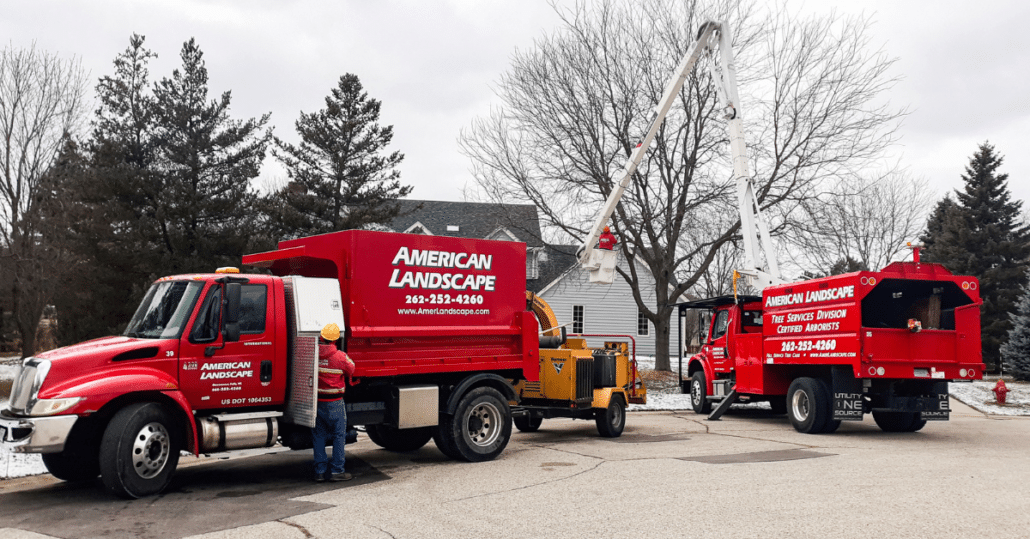
Late winter pruning often involves working at height and around homes, utilities, and other landscape features. Arborists use professional equipment, climbing techniques, and safety practices to protect the tree, the property, and everyone on site throughout the process.

Once pruning is complete, crews remove debris and review the finished result to ensure the tree’s structure, clearances, and overall appearance align with long-term health goals. The focus is on leaving the tree stable, balanced, and ready for the growing season ahead.

A thorough finish ensures that pruning work supports both the tree’s future growth and the homeowner’s expectations, without the need for additional corrective work once spring arrives.

When Homeowners Should Call a Professional Arborist

While regular tree care is part of maintaining a healthy landscape, certain situations call for professional evaluation and pruning. Late winter is a perfect time for homeowners to take a closer look before spring activity begins.

Homeowners should consider calling a professional when they notice:

  • Hanging, cracked, or damaged branches
  • Limbs extending over roofs, driveways, walkways, or outdoor living areas
  • Trees that appear misshapen, unbalanced, or stressed after winter weather
  • Mature trees near patios, play spaces, property lines, or high-use areas
  • Trees that have not been professionally evaluated in several years

For homeowners planning spring projects or increased outdoor use, professional tree care can help avoid unexpected issues. Late-winter attention helps create safer, more functional outdoor spaces as the season changes.

Why Partner with American Landscape

Late winter tree pruning is an investment in the long-term health, safety, and appearance of your landscape. Working with experienced professionals ensures pruning decisions are based on the tree’s needs, the surrounding environment, and how the property is used throughout the year.

American Landscape’s tree care team includes trained arborists who can evaluate structure, identify risks, and apply proper dormant-season pruning techniques. From individual tree assessments to ongoing tree health programs, services are designed to support strong growth, reduce future issues, and protect the value of your landscape.

Contact American Landscape to schedule a late winter tree assessment and prepare your landscape for a healthy, safe spring.

When to Call For Certified Arborist Tree Services: 5 Signs Your Trees Need Expert Help

A late summer walk along Nagawicka Road in Delafield offers a perfect view of Lake Country’s tree canopy—towering red oaks and sugar maples casting dappled shade over quiet trails and shoreline cottages. These mature trees aren’t just beautiful; they’re a reflection of careful planning and expert care that’s become second nature in this part of Wisconsin.

Certified Arborist Services

These trees didn’t thrive by chance—behind their health is consistent attention from professionals who understand what each leaf drop or cracked limb might mean. For many homeowners, knowing when to bring in that level of expertise can make the difference between a healthy tree and a costly removal.

From subtle signs of disease to sudden structural shifts, certain tree issues call for more than routine landscaping—they call for the insight of a certified arborist. Knowing what to watch for—and why certified arborists are uniquely equipped to help—can empower you to protect your trees before problems take root.

What Makes a Certified Arborist Different?

Certified arborists are tree care professionals trained to understand trees’ biology, structure, and needs. To become certified through the International Society of Arboriculture (ISA), they must pass a comprehensive exam, demonstrate real-world experience, and commit to ongoing education. This ensures they’re knowledgeable and current with the latest industry standards in safety, diagnosis, and treatment.

Unlike general landscapers who may offer tree trimming as part of broader services, certified arborists specialize in trees exclusively. They bring a scientific, safety-conscious approach to every job, using proper techniques to protect tree health and prevent long-term damage.

When the health or safety of a tree is uncertain, a certified arborist brings clarity and confidence to the care plan.

Key Benefits of Obtaining Certified Arborist Services

Winter Tree Care Services

Hiring a certified arborist isn’t just about fixing visible problems—it’s about protecting your trees with expert insight and proactive care. Their training and hands-on experience allow them to make informed decisions that benefit your landscape today and well into the future. Here’s what you can expect when you choose to work with one:

  • Expert Diagnosis – Trained eyes can detect early signs of disease, insect infestation, or structural issues before they become serious.
  • Safe Pruning and Removal – Proper techniques reduce the risk of injury, property damage, or stress to the tree.
  • Long-Term Tree Health Management – Preventative care strategies help trees thrive year after year.
  • Local Knowledge – Familiarity with Wisconsin’s native species, soil conditions, and seasonal stressors improves outcomes.
  • Trusted Professionalism – Certification demonstrates a commitment to ethical, expert care backed by industry standards.

5 Signs You Need Certified Arborist Services

Even healthy-looking trees can hide serious issues beneath the surface. Recognizing warning signs early can help prevent damage to your property and save the tree itself. Here are five clear indicators that it’s time to call in a certified arborist:

1. Dead or Hanging Branches

Dead or broken limbs are one of the most visible—and dangerous—signs of a struggling tree.  These branches can fall unexpectedly, especially during storms or high winds, posing a risk to people, pets, and property.

A certified arborist can assess whether pruning or removal is necessary and ensure it’s done safely.

2. Visible Tree Decay or Cavities

Oak Wilt

Signs of internal decay—such as mushrooms at the base, hollow spots, or open cavities—can indicate structural weakness. These issues may not affect the entire tree immediately, but can quickly spread if not addressed.

Arborists use specialized tools and techniques to evaluate internal damage and recommend a treatment plan.

3. Pest Infestation

Tiny holes in bark, sawdust at the base, or unusual leaf loss can signal insect activity. Left unchecked, pests like emerald ash borers or aphids can quickly compromise the tree’s health.

Certified arborists are trained to identify specific pests and implement targeted, environmentally responsible treatments.

4. Leaning Trunks or Uprooted Roots

A tree that suddenly begins to lean or shows signs of root exposure may be suffering from compromised stability. Storms, soil erosion, or disease can cause this.

A certified arborist can determine whether the tree can be braced or if removal is the safest option to avoid collapse.

5. Unexplained Leaf Loss or Discoloration

If your tree begins losing leaves out of season or develops patches of yellowing or browning, it may be reacting to stress, nutrient deficiencies, or disease. These symptoms are often early warning signs, and a certified arborist can identify them before they escalate, usually making the difference between recovery and decline.

Trust American Landscape for Certified Arborist Services

Healthy trees are vital to your property’s beauty and safety, but recognizing when they need professional care isn’t always obvious. Dead limbs, pest damage, or sudden leaf loss are signs that often point to deeper issues that require expert attention.

Certified arborists bring the training and experience needed to diagnose and resolve tree problems safely and effectively. Unlike general landscapers, they follow industry standards to protect your trees and property.

At American Landscape, our ISA-certified arborists are committed to preserving the health and longevity of your landscape. Don’t wait for a small issue to become a serious hazard.

Contact us today to schedule a professional tree assessment.

Oak Wilt: A Threat to Our Trees

Oak Wilt is a destructive fungal disease endangering oak trees across Wisconsin, including our local area. Found in 66 of the state’s 72 counties, this disease spreads rapidly through multiple pathways.

How Oak Wilt Spreads

  • Insect Transmission: Oak bark and sap beetles carry fungal spores, infecting healthy trees.
  • Root Grafts: Roots of closely growing trees can fuse, allowing the disease to spread underground, especially among Red Oaks.
  • Contaminated Tools: Pruning tools used on infected trees can transfer the disease to healthy ones.
Oak Wilt

Symptoms of Oak Wilt

  • Leaf Discoloration: Leaves on one side of the tree may turn brown, bronze, or yellow.
  • Bark Cracking: Cracks may develop where branches meet the trunk or at the tree’s base.
  • Leaf Wilting and Drop: Leaves curl, wilt, and may completely fall off by mid-summer.
  • Rapid Decline: Red Oaks are particularly vulnerable, often dying within a month of infection.

Controlling and Preventing Oak Wilt

  • White Oak Resistance: White Oaks are more resilient and may survive infection.
  • Pruning Restrictions: Avoid pruning oaks from April to July, when they are most susceptible.
  • Address Storm Damage Promptly: Treat wounds immediately after storms and apply pruning seal to minimize infection risk.
  • Tool Decontamination: Clean pruning tools with alcohol or disinfectant between trees.
  • Tree Removal: Infected trees must be promptly removed and not used as firewood.
  • Fungicide Injections: Preventative trunk injections with fungicide can protect trees for about two years, offering long-term benefits.

Concerned about your oak tree?

Our certified arborists and technicians are here to help. We provide expert pruning, removal, and preventative treatments to ensure your tree thrives for years to come.

4 Ways Professional Tree Care Services Can Protect Your Trees This Winter

Winter in Wisconsin can be harsh, but your trees can thrive through the cold months with the right care. Protecting them requires more than just hoping for the best—it takes expert care and thoughtful preparation.

Professional tree care services help safeguard your landscape by addressing potential risks and preparing your trees to endure heavy snow, ice, and freezing temperatures. By ensuring your trees remain healthy and resilient through the winter, you reduce the risk of damage and set them up to thrive when spring arrives.

So, what can you expect from professional tree care services? Here are four key services you can expect from an experienced landscaping company.

1. Winter Tree Health Assessment

Tree cankers

Before the winter weather hits, a thorough tree health assessment is essential for protecting your trees. Certified arborists evaluate the trees on your property, looking for signs of weakness or damage that could become hazardous during heavy snow or ice storms. They’ll also assess the tree’s overall structure, root health, and any potential risks like dead or diseased branches.

A few things that these trained professionals look for (that aren’t as obvious to the untrained eye) include:

  • Cracks in the trunk: Vertical or horizontal fissures can indicate structural issues.
  • Cankers: Sunken areas on the bark that may signal disease.
  • Discoloration: Unusual leaf or bark color changes can suggest stress or illness.
  • Excessive leaf drop: Unseasonal shedding can indicate health problems.
  • Visible fungal growth: Mushrooms or mold around the base can indicate decay.
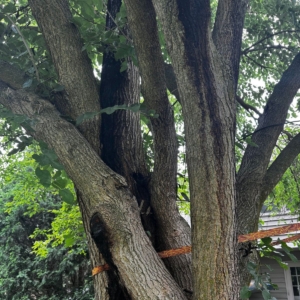
  • Weak branch unions: V-shaped angles between branches can lead to breakage.

Addressing these concerns early in the season can minimize the chance of winter-related damage and ensure your trees are well-prepared to withstand the season’s challenges.

2. Winter Pruning for Storm Protection

Winter Tree Pruning

Winter storms in the Midwest can be brutal on trees, making winter pruning a key strategy for enhancing the resilience of the trees on your property. During this dormant season, Arborists carefully assess each tree’s structure to identify weak areas that could succumb to the weight of snow and ice or become potential hazards during heavy winds.

Removing these potential hazards gives you peace of mind, knowing that the trees on your property are strong enough to withstand the winter weather. It also gives your trees the space they need to thrive and grow come spring. Pruning allows more sunlight and air circulation to penetrate the canopy, promoting lush foliage and vibrant blooms as the warmer months approach. This gives you something to look forward to in the coming months.

3. Fertilization for Winter Root Strength

Fertilization is crucial in preparing your trees for the cold months ahead. Providing the right nutrients boosts root health and enhances the tree’s ability to withstand harsh conditions. A well-nourished tree is more resilient against stress, which can help give it a fighting chance against cold temperatures and a head start come spring.

A few key benefits of winter fertilization include:

  • Improved Root Development: Strengthens roots to better absorb water and nutrients.
  • Enhanced Stress Resistance: Helps trees withstand cold temperatures and harsh weather.
  • Promotes Healthy Growth: Sets the stage for vigorous foliage and blossoms in the spring.
  • Nutrient Balance: Corrects any deficiencies, ensuring trees are well-equipped for the season.

4. Emergency Tree Removal During Winter

When winter storms strike the Wisconsin area, emergency tree removal may become necessary to protect your property and ensure safety for yourself and others. Weak or damaged trees can pose significant risks, especially when heavy snow and ice accumulate on branches. Addressing these issues promptly is vital to prevent accidents and further damage to your landscape.

Signs you may need emergency tree removal services include:

  • Leaning Trees: Trees that have shifted position may indicate root damage.
  • Cracked Trunks or Branches: Visible fractures can compromise structural integrity.
  • Severe Bark Damage: Deep wounds can expose trees to pests and disease.
  • Broken/Stuck Limbs: Large branches on the ground or stuck up in the tree are indications of a dangerous situation.

So, what can you expect if you need emergency tree removal services? Here’s just a quick overview:

  • Assessment: A thorough evaluation to determine the safest removal method.
  • Cutting Techniques: Precision cutting to minimize damage to surrounding trees and structures.
  • Debris Removal: Efficient cleanup of all branches and debris to restore your property to its pre-storm condition.

By being proactive and recognizing these signs early, you can ensure the safety of your property and loved ones during the winter months.

Protect Your Trees with Expert Tree Care Services from American Landscape

Preparing your trees for winter is essential for their health and resilience. With expertise in winter tree care, American Landscape provides thorough health assessments, strategic pruning, and more to help safeguard your landscape against the harsh Wisconsin winter.

In the event of unexpected storms, their prompt emergency tree removal ensures safety and prevents further damage. Trusting your trees to our skilled, ISA-certified arborists means they will have a better chance at withstanding all that winter throws at them and emerging healthy and vibrant come spring.

Contact American Landscape today to schedule your winter tree care services today.

Protect Your Trees & Shrubs From Winter Damage

Protect your trees and shrubs against winter damage! You’ve invested in your trees and shrubs and with a little effort now, you can make sure they survive our harsh Wisconsin winters. It is important to guard against both creatures as well as the elements.

Deer – Deer have already started rubbing against trees, which means it’s time to give them some protection. We recommend using hardware cloth or tree wrap.  Be sure to use something that will not trap heat or moisture against the trunk of the tree.  Wrapping the tree up to the lower branches is effective in most cases.  

Rabbits/Rodents – The best protection is to cage small tree or shrub with hardware cloth.  Hardware cloth is more rigid and has smaller holes than chicken wire, so we find it to be a better option.  Burying the hardware cloth 2” – 3” below the soil is important.  Little critters can easily squeeze under anything that is simply resting on top of the soil.  


General Winter Damage – Place stakes around arborvitae, evergreens, and boxwoods, then wrap burlap around the stakes, leaving the top open for ventilation.  It is important to allow for air movement around the foliage and to allow heat to escape.  It’s not the actual cold temperatures that hurt them, but the drying winds.  If you have your plant wrapped tightly heat and moisture will build up on the inside.  If the wrap stays on and we get warm weather, you create a little oven in there and it can cook your plants.  In addition, you may find fungal problems on tightly wrapped boxwood if the wrap is left on during warmer temperatures.

PRO TIP! one of the BEST ways to protect your evergreens is to keep them well watered until the ground is frozen.  Evergreens do not go dormant and they need all the moisture reserves they can get built up before the ground freezes.  If your evergreens go into winter dry, they are much more likely to get winter burn or even die over the winter.

Our aborists are experts at ensuring your trees have long, healthy lives. Get in touch today to schedule an appointment to talk about your tree service needs.

Detect and Treat for Spongy Moth on Trees

What do you know about how to detect and treat for spongy moth on trees? We recently got an update on this invasive species and the damage it can do to trees in our area.

Every February the University of Wisconsin offers continuing education for professionals in the landscape industry. These short courses cover a variety of topics and keep new and experienced people in the landscaping industry aware of what’s up and coming. They also offer new takes on traditional practices. Ours is an industry that is always evolving with new technology and scientific advancements.

Detect and Treat Spongy Moth

Resurgence of Spongy Moth

This week one of the big take-aways was the resurgence of Spongy Moth, formerly known as Gypsy Moth. This pest is known around the world for it’s spongy looking egg masses which resulted in its new nomenclature. It is not so much the moth that causes the problems, it’s the caterpillars which can defoliate an entire tree. Unfortunately, their favorite meals are some of our favorite trees. Oaks, lindens, birches, pine & spruce are all on the top of their list. If those aren’t available they will eat maple, elm, nut trees and many others.

Detect and Treat for Spongy Moth

Spongy Moth is Invasive Species

The moth was brought to the US in the late 1800’s and is therefore considered an invasive species. It unfortunately has very few predators here in the US, which has allowed its population to explode. Some biological controls have been effective but they are not practical for the home landscape. Blue Jays are one of our native birds that will eat the caterpillars, but most birds don’t enjoy them because they are covered with prickly hairs. Some rodents enjoy eating the pupal stage of the moth and chickadees will eat the egg masses, but none of these are enough to even put a dent in the problem.

Spongy Moth

How to Detect and Treat for Spongy Moth Egg Masses

So how can you help? At this time of year one of the easiest and most environmentally friendly ways is to go out and look at your trees; are there any brown, spongy patches on them? If yes, you will want to scrape them off if you can and let them soak in a bucket of soapy water to kill the eggs. Each of those masses can contain up to 1000 eggs. That is potentially 1000 caterpillars that would be infesting your trees. If they are too high or if scraping off egg masses is not your thing, they can be sprayed with Horticultural Oil before they hatch. This will smother the eggs, but you must soak the entire mass. This can be done by the homeowner or by a tree care professional.

Treatment Option for Spongy Moth Caterpillars

If you’ve missed the egg stage and find the caterpillars on your trees you can apply barrier methods or look into an insecticide spray. Be sure to only use a spray labeled to use for the Spongy Moth. Not all insecticides work on all insects so it’s important to make sure the chemical you are using will work on this pest. Always consult the label for the proper application or have a professional come and treat your trees.

We would like to acknowledge and thank PJ Liesch from the UW-Madison Insect diagnostic lab for providing us with an update on the status of this pest in our state. For more detailed information on the Spongy Moth and what you can do to help, head to the University of Wisconsin’s info page: https://fyi.extension.wisc.edu/spongymothinwisconsin/

Want to stay in the loop?
Sign up for our newsletter.

"*" indicates required fields

This field is for validation purposes and should be left unchanged.
Name*

American Landscape - 50 Years of Outstanding Landscaping Service to the Greater Milwaukee Area

(262)252-4260
info@amerlandscape.com

N60 W16073 Kohler Ln,
Menomonee Falls, WI 53051