
How to Design a Small, Intimate Outdoor Space
One of the biggest misconceptions in outdoor design is that a larger space automatically creates more opportunities. In reality, some of the most inviting outdoor spaces are also some of the smallest. A small patio, courtyard, or side yard doesn’t need room for every possible activity. It just needs a clear purpose. Without one, these areas often become cluttered or neglected. The space exists, but it doesn’t get used.
Good design solves this problem. Rather than questioning what fits into a space, good design should ask ‘what experience should the space itself provide?’
Every decision that follows, from the layout and plantings to the hardscape materials and lighting, should support the answer. When all elements work together, even a modest outdoor area can feel welcoming, functional, and complete.
Design a Small Outdoor Space in 5 Steps
Designing a small outdoor space isn’t about squeezing in as many features as possible. It’s about making thoughtful choices that support how you want to use the space.
These five steps can help create an outdoor area that feels comfortable, functional, and inviting, regardless of its size.
Step 1: Decide How the Space Will Be Used
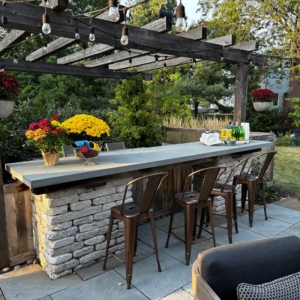
Before selecting furniture, plants, or materials, start by answering one simple question: What is this primary purpose of this space?
Many homeowners make the mistake of trying to design a small outdoor area for every possible activity. Homeowners may want:
- a dining space
- a conversation area
- a reading nook, and
- a room for entertaining.
In a limited footprint, this approach often leads to compromises that leave the space feeling crowded and uncomfortable.
Instead, choose one primary purpose for the space and let that decision guide everything that follows.
Maybe it’s a quiet place to enjoy a morning cup of coffee.
Perhaps it’s a comfortable spot to read a book on a summer afternoon or an intimate setting for sharing a meal with a partner.
Once the purpose is defined, many of the design decisions become much easier. You’ll have a better sense of how many seats you actually need, whether a table or lounge seating makes more sense, and how closely the space should connect to the house or kitchen.
Step 2: Plan a Layout for a Small Outdoor Space
After defining the space’s purpose, the next step is creating a layout that supports it.
In a small outdoor space, flow is often more important than symmetry. A perfectly balanced layout may look appealing on paper, but if it interrupts movement or makes the area feel cramped, it won’t be comfortable to use.
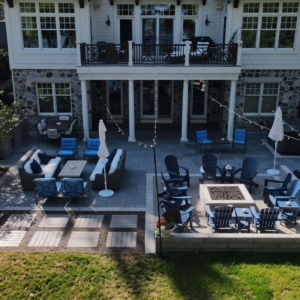 The most successful layouts create a natural connection between the house and the outdoor living area. People should be able to move comfortably through the space without having to navigate around furniture, planters, or other obstacles. The seating area should feel intentional and distinct, not just placed wherever space allows.
This is often where homeowners run into trouble. Furniture gets pushed against the house, features are added without considering how people move through the area, and the space begins to feel crowded despite its limited footprint.
A thoughtful layout creates a sense of order. It gives each element a purpose, keeps circulation open, and helps the entire space feel more comfortable to use.
Step 3: Use Plants for Structure, Privacy, and Texture
Every plant should serve a purpose. The most successful designs use plantings to create structure and privacy while also adding texture, color, and seasonal interest. The goal is to create layers without making the area feel crowded.
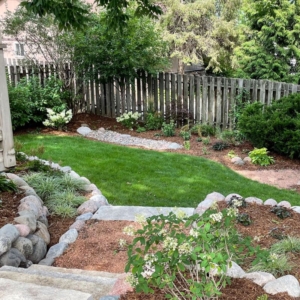 A simple planting strategy often works best:
- Use tall, narrow plants along fences and property lines to add height without consuming valuable square footage. Columnar shrubs, espaliered trees, and trellised vines can all help create a sense of enclosure and provide privacy.
- Add mid-sized shrubs or ornamental grasses around patios, walkways, and seating areas to soften the edges of hardscape surfaces.
- Incorporate low-growing perennials or groundcovers near seating areas to provide texture and seasonal interest without blocking views or pathways.
Vertical elements can be especially valuable in compact spaces. Wall planters, climbing vines, decorative trellises, and lattice features help draw the eye upward, creating the impression of a larger outdoor room.
When selecting plants, resist the urge to include a little bit of everything.
Repeating a smaller number of plant varieties often creates a calmer, more cohesive appearance than filling the space with numerous unrelated selections.
Step 4: Pick Hardscape Materials That Visually Expand the Small Outdoor Space
Hardscape materials do more than provide a surface underfoot.
They also influence how large, open, and comfortable a space feels. In many cases, lighter colors and simpler patterns create a calmer appearance and can make an area feel more spacious than it actually is.
A few design principles can help:
- Use one primary patio material whenever possible. Multiple contrasting surfaces can make a small area feel busy and visually fragmented.
- Choose paver or stone patterns that guide the eye through the space. Running materials lengthwise can help create a greater sense of depth.
- Keep joint lines, borders, and accents simple. Too many decorative bands, inlays, or pattern changes can overwhelm a compact footprint.
Strategic hardscape upgrades can also have a significant impact.
Replacing aging, patchy concrete with a unified patio surface often creates a cleaner, more cohesive look. In some cases, extending a patio by just a few feet can provide enough room for more comfortable seating and better circulation without dramatically changing the overall footprint.
Simple, consistent material choices often create a stronger result than adding more patterns, borders, and decorative details.
Step 5: Layer Lighting to Create an Intimate Atmosphere
A well-designed outdoor space shouldn’t disappear when the sun goes down.
Thoughtful lighting can help extend its use into the evening while creating a warm, inviting atmosphere.
A simple lighting plan often includes three layers:
- Safety: Low-level path or step lights near doors, walkways, and transitions.
- Ambiance: String lights, lanterns, wall sconces, under-bench lighting, or paver lights that create a warm glow throughout the space.
- Accent: A few focused fixtures that highlight a feature tree, trellis, planting bed, or seating area.
When it comes to outdoor lighting, less is often more. Softer light levels tend to feel more comfortable and intimate than bright floodlights. Timers and smart controls can make the space even easier to enjoy by automatically turning on the lights as evening approaches.
Design Your Small Outdoor Space with American Landscape
Creating an inviting outdoor space isn’t about having more room to work with. It’s about making thoughtful decisions that support how you want to use the space. When the layout, plantings, hardscape materials, and lighting all work together, even a small patio, courtyard, or side yard can become a favorite place to spend time.
The team at American Landscape can help you make the most of every square foot by designing outdoor spaces tailored to your property, lifestyle, and goals.
Contact us to schedule a design consultation and explore what’s possible for your outdoor space.