
Winter Tree Pruning: 5 Steps Arborists Take to Prepare Trees for Spring
While trees appear still during late winter, their structure and future growth are already set. The way branches are shaped, supported, or stressed now directly affects how a tree responds when spring growth begins.
With foliage gone, a tree’s framework is fully visible, and the dormant season allows pruning work to be done with minimal stress to the tree. This makes it easier to identify weak, damaged, or poorly positioned branches and address potential safety concerns before outdoor spaces become active again.
Pruning is not simply a cosmetic task; it influences how a tree grows and performs over time. Proper winter tree pruning requires an understanding of tree biology, growth habits, and safety practices. When handled by trained professionals, it prepares trees for a stronger, healthier growing season ahead.
Why Late Winter Is Ideal For Tree Pruning
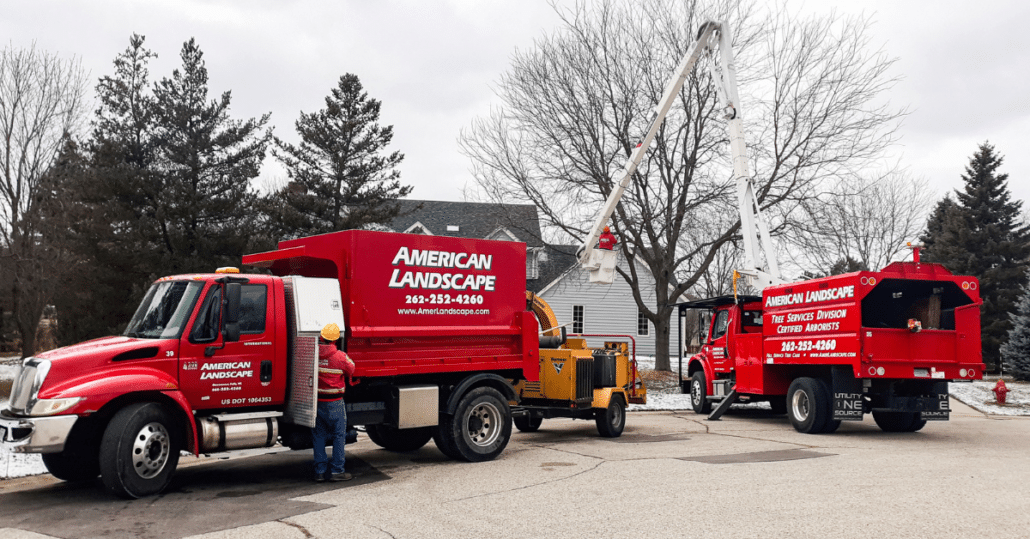
Late winter offers conditions that make pruning both more effective for the tree and safer for the surrounding property. With trees dormant, they are better able to tolerate pruning without the stress associated with active growth.
During dormancy, energy is stored rather than spent on producing leaves or new shoots. Pruning at this stage keeps cuts clean and stable until warmer temperatures arrive, when the tree can naturally seal wounds and direct growth where it is needed most.
The absence of leaves also gives arborists a clear view of the tree’s structure. Crossing branches, weak attachments, and hidden imbalances that emerge during the growing season are easier to identify and correct. This enables precise, intentional cuts that improve strength and form, rather than reactive trimming later in the year.
Late winter timing can also reduce the risk of spreading certain insects and diseases that are more active during warmer months. Pruning during dormancy helps limit exposure during a season when fresh cuts are less vulnerable.
Together, these factors make late winter one of the most effective times to evaluate and prune trees with long-term health, safety, and appearance in mind.
5 Key Steps Arborists Take in Late Winter Pruning
Understanding why late winter is the right time to prune is only part of the equation. How pruning is approached matters just as much.
Professional arborists approach late winter tree pruning as a deliberate process, making intentional decisions that support a tree’s health, structure, and safety while preparing it for the growing season and long-term performance.
Step 1: Arborist Assessment and Diagnosis
Late winter tree pruning begins with a thorough assessment of the tree. Before any cuts are made, arborists evaluate the tree’s species, age, overall health, and growing environment to understand how it has developed and what challenges it may be facing.
An Arborist assessment typically includes:
- Signs of past storm damage, decay, or structural weakness
- Branching patterns that may lead to poor structure or future failure
- Stress caused by site conditions such as soil, spacing, or competition
- Proximity to homes, driveways, walkways, and other landscape features
- Clearance or safety concerns that may need to be addressed before spring
By starting with a full diagnosis, arborists can determine which branches should be removed, reduced, or left alone. This upfront evaluation ensures pruning decisions are purposeful and aligned with the tree’s long-term health rather than reactive or purely cosmetic.
Step 2: Arborists Address Immediate Hazards
Once the initial assessment is complete, arborists focus on branches that pose an immediate risk. Late winter is an effective time to remove dead, cracked, or hanging limbs before changing temperatures and spring storms increase the chance of branches breaking or falling.
This step often prioritizes branches located over homes, driveways, walkways, patios, and other high-use areas. Removing these hazards early helps reduce the risk of injury or property damage and allows the tree’s remaining structure to be evaluated and pruned more effectively.
Step 3: Arborists Improve Tree Structure
With immediate hazards addressed, arborists focus on improving the tree’s overall structure. This involves identifying branches that cross, rub, or compete with one another, as well as areas where weak attachments or poor growth patterns could lead to problems over time.
Rather than simply shortening branches, arborists make targeted cuts that encourage strong, balanced growth. The goal is to guide the tree’s development as it matures, creating a framework that better supports leaves, withstands weather, and maintains a natural appearance.
Step 4: Arborists Thin and Balance the Canopy
After structural concerns are addressed, arborists focus on the tree’s canopy. Thinning crowded areas allows light and air to move more freely through the branches, which supports healthier growth as the tree enters the active growing season.
Canopy work is done selectively and with restraint. Arborists remove or reduce branches in a way that maintains the tree’s natural shape while preventing it from becoming overly dense or unbalanced. The goal is not to drastically change the tree’s appearance, but to help it perform better within the space it occupies.
By carefully thinning and balancing the canopy, arborists help trees leaf out more evenly in spring and reduce stress caused by overcrowding or uneven growth.
Step 5: Arborists Work Safely and Leave a Finished Result
Late winter pruning often involves working at height and around homes, utilities, and other landscape features. Arborists use professional equipment, climbing techniques, and safety practices to protect the tree, the property, and everyone on site throughout the process.
Once pruning is complete, crews remove debris and review the finished result to ensure the tree’s structure, clearances, and overall appearance align with long-term health goals. The focus is on leaving the tree stable, balanced, and ready for the growing season ahead.
A thorough finish ensures that pruning work supports both the tree’s future growth and the homeowner’s expectations, without the need for additional corrective work once spring arrives.
When Homeowners Should Call a Professional Arborist
While regular tree care is part of maintaining a healthy landscape, certain situations call for professional evaluation and pruning. Late winter is a perfect time for homeowners to take a closer look before spring activity begins.
Homeowners should consider calling a professional when they notice:
- Hanging, cracked, or damaged branches
- Limbs extending over roofs, driveways, walkways, or outdoor living areas
- Trees that appear misshapen, unbalanced, or stressed after winter weather
- Mature trees near patios, play spaces, property lines, or high-use areas
- Trees that have not been professionally evaluated in several years
For homeowners planning spring projects or increased outdoor use, professional tree care can help avoid unexpected issues. Late-winter attention helps create safer, more functional outdoor spaces as the season changes.
Why Partner with American Landscape
Late winter tree pruning is an investment in the long-term health, safety, and appearance of your landscape. Working with experienced professionals ensures pruning decisions are based on the tree’s needs, the surrounding environment, and how the property is used throughout the year.
American Landscape’s tree care team includes trained arborists who can evaluate structure, identify risks, and apply proper dormant-season pruning techniques. From individual tree assessments to ongoing tree health programs, services are designed to support strong growth, reduce future issues, and protect the value of your landscape.
Contact American Landscape to schedule a late winter tree assessment and prepare your landscape for a healthy, safe spring.