
Reviving Your Landscape in Spring: How to Refresh Landscape Beds
It’s early spring and the snow is melting here in Southeastern Wisconsin, which has a way of revealing everything winter covered up. As the snow melts and the ground begins to thaw, landscapes often look very different from how they did in the fall. Edges soften, mulch shifts, and perennials may be flattened by snow.
It can feel overwhelming to see what waits for you outside! Maybe your summer home in Lake Country didn’t get a fall clean-up due to early snow and you just don’t have time to get there. Or, the Wauwatosa bungalow you bought last fall surrounded by gardens needs an experienced touch. Maybe your new job has your travelling constantly and your neighbors in Elm Grove won’t like you much if your landscape falls into disrepair.
This time of year often highlights areas of the landscape that could benefit from attention. Sometimes that means refreshing existing beds; other times it becomes an opportunity to plan larger landscape improvements.
Either way, spring is the ideal time to evaluate your outdoor spaces. Restoring structure, cleaning up winter damage, and making thoughtful adjustments now helps set the stage for healthy growth and a beautiful landscape throughout the season.
Early Spring Landscape Tasks Before the Ground Fully Thaws
Some of the most important landscape maintenance happens before plants even begin actively growing. Taking care of these early tasks can set your landscape up for a much smoother season.
Prune Deciduous Shrubs
Many shrubs benefit from pruning before they leaf out. Dormant or corrective pruning helps maintain strong plant structure and can reduce the amount of trimming needed later in the summer.
However, spring-blooming shrubs such as forsythia and lilacs should be pruned after they finish blooming so you don’t remove the flower buds.
Cut Back Perennials
By early spring, many perennials are showing the effects of winter weather. Snow can flatten stems, and birds often finish feeding on remaining seed heads.
If plants were not cut back in the fall, early spring is an ideal time to remove old growth so new shoots can emerge cleanly.
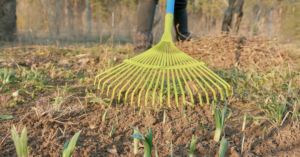
Rake or Clear Landscape Beds
Whether you rake beds clean or leave some natural debris depends on your goals.
Homeowners who prefer a tidy appearance may want to remove leaves and leftover plant material. Others may choose to leave some debris in place to support pollinators and beneficial insects, which often use leaf litter for shelter and nesting.
As organic material breaks down, it can also contribute nutrients and microbial life that support soil health.
Apply a Balanced Fertilizer
Applying a balanced slow-release fertilizer, such as a 10-10-10 blend, around plantings can help give plants a strong start as spring rains begin to warm the soil. These nutrients help support early growth and encourage healthy development throughout the season.
Assess Winter Damage
Winter conditions and wildlife can leave their mark on the landscape. Rabbits may chew shrubs, and voles may tunnel beneath snow cover.
Early spring is a good time to walk the property and assess what may need attention so you can plan solutions before growth begins in earnest.
Refreshing Landscape Beds After the Ground Thaws
Once the soil begins warming and plants start to emerge, it becomes easier to evaluate the condition of your landscape beds and make improvements. A step-by-step approach helps restore structure while supporting plant health.
Step 1: Clear and Reset the Foundation
Before reshaping or replanting anything, start with a clean surface as part of a thorough spring landscape clean-up. Winter leaves behind more than debris. Snow weight, shifting mulch, and repeated freeze-thaw cycles can flatten perennials and compact soil. Clearing everything back allows you to see the bed’s true condition.
This step is not about redesigning yet. It is about removing distractions so you can assess what should stay and what needs adjustment.
This typically includes:
- Clearing leaves and sticks
- Cutting back remaining perennial growth
- Pulling early weeds
- Removing plants that didn’t survive the winter
With the bed cleaned up, it becomes easier to assess spacing, layout, and areas that may need improvement.
Step 2: Redefine Landscape Bed Edges


Re-establishing the shape of the bed often results in the most noticeable improvement in the shortest amount of time, especially when you sharpen landscape bed edging and bed layout so the border between lawn and planting areas is clear.
Clean lines immediately make the space feel maintained and intentional.
Focus on:
- Cutting clean, consistent edges along the perimeter
- Removing turf that has grown into the bed
- Widening narrow sections if plants feel crowded
- Smoothing uneven curves for a balanced appearance
Step 3: Evaluate What Survived the Winter
As plants begin budding and perennials emerge, it becomes easier to determine what made it through the winter.
Keep in mind that not all plants emerge at the same time. However, you can usually identify dead branches or plants that failed to return.
At this stage:
- Prune out dead branches from otherwise healthy plants
- Note perennials that did not return
- Identify areas where plants may need to be replaced or rearranged
This evaluation helps guide planting decisions later in the season.
Step 4: Reinvigorate Your Soil & Adjust Plantings
If you have un-mulched areas, perennial or other garden beds, spring is a great time to add compost or worm castings to your soil to reinvigorate your beds. Cultivating amendments into the soil around existing plantings, even before you mulch, will increase the organic matter in your soil which will give you healthier plants.
Once the soil is addressed, step back and look at the overall layout. Older landscape beds often feel crowded, not because they lack space, but because too many plants compete for attention. Over time, varieties get added without a clear plan, and the original balance of the bed starts to fade.
Spring is a good opportunity to simplify and restore structure before new growth fills everything in.
At this stage:
- Remove overcrowded or underperforming plants
- Group similar varieties together for a more cohesive look
- Keep taller plants positioned toward the back or center, depending on the layout
- Introduce one or two strong structural plants to anchor the space
A simplified plant palette almost always makes landscape beds feel more intentional. Instead of adding more, focus on strengthening what works and creating a clearer visual hierarchy.
Step 5: Finish with Fresh Mulch

Mulching is often the final step in refreshing landscape beds. Applying fresh mulch improves appearance while also helping regulate soil temperature, retain moisture, and suppress weeds.
For best results:
- Apply approximately 2–3 inches of mulch
- Keep mulch slightly away from plant crowns and stems
- Maintain consistent coverage throughout the bed
Mulching earlier in the season is often easier because plants are still small and easier to work around.
Additional Spring Landscape Tasks to Consider
While refreshing landscape beds is often the primary focus, several other tasks can help ensure your entire landscape performs well throughout the year.
Remove Winter Protection
As temperatures warm, remove wraps, burlap, or other winter protection from plants. Once March arrives, the risk of harsh winter winds is usually reduced, and lingering coverings can trap heat and moisture during warm spring days.
Divide Perennials
Spring is a good time to divide perennials that bloom later in the summer. Plants such as daylilies, bee balm, and hosta are easy to identify and move earlier in the season.
Spring-blooming perennials such as peonies and iris should be divided after they finish flowering.
Check Irrigation and Landscape Lighting
Winter snow removal, wildlife activity, or freezing temperatures can damage irrigation lines or landscape lighting. Early spring inspections make repairs easier before plants fill in.
Think About Plant Health
Was there something in the yard that was attacked by insects or disease? Now is the time to think about how to mitigate future damage or if the plant should be removed from your landscape.
Look at the Landscape as a Whole
Stand in the area where you most often view your yard and evaluate the overall layout.
- Are there plants overcrowding each other?
- Are there open spaces?
- Is there something that just doesn’t belong anymore?
Even if garden centers have not yet fully stocked plants, early spring is a great time to begin planning adjustments.
- Look up. As trees leaf out look for dead, broken, or branches that may interfere with power lines or structures as they put on their growth this year. Trees can often grow 6”-8” a year or more if there is rainfall at the right time. Correcting a problem early on can prevent a much bigger problem down the line.
Refresh Your Landscape with American Landscape
Refreshing your landscape beds each spring helps restore structure, improve plant health, and maintain the overall appearance of your property.
For homeowners across Southeastern Wisconsin, including Menomonee Falls, Brookfield, Elm Grove, and Lake Country, American Landscape provides professional spring cleanups, landscape bed renovations, and planting updates designed for long-term results.
Our experienced team can evaluate your existing landscape, correct structural issues, tackle spring cleanup chores and create a landscape that looks clean, balanced, and ready for the growing season.
Contact American Landscape today to schedule your spring landscape refresh.