
Snow and Your Landscape
Unless you participate in winter sports, you probably dread winter snow—except at Christmas. Your landscape plants, however, look forward to it each year.
Snow plays a vital role in our ecosystem here in Wisconsin. Plants and animals depend on it to survive the winter months and emerge strong and healthy in spring.
First, snow is an excellent insulator. Our instinct as humans is to protect new plants from snow, fearing damage because of the cold. In reality, nothing could be better for them. A thick layer of snow shields plants from extreme cold and the wild temperature fluctuations we’ve been experiencing. Soil beneath snow cover does not freeze and thaw as quickly, which helps prevent tender roots from heaving out of the ground. Snow also acts like a blanket, trapping warm air and protecting hibernating amphibians, reptiles, and mammals.
The moisture provided by snow is also beneficial, keeping plants and soil hydrated. Moist soil helps prevent erosion, and when spring arrives, plants rely on ample water to fuel their rapid growth spurt. As snow melts slowly into the ground, it provides a steady source of moisture and gives plants a healthy start to the season. Additional runoff from melting snow benefits animals emerging from hibernation by creating ephemeral streams and pools needed for their life cycles. This moisture also contributes to the composting process, helping break down leaves and other organic matter into nutrients for your soil.
The Downsides of Snow and Your Landscape
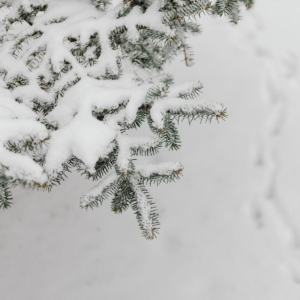 Heavy snow can sometimes cause damage to evergreens, especially when it is very wet. We experienced this a few years ago, when conditions were just right to cause significant damage to arborvitae and snap branches on pines and spruce. Fortunately, this was an unusual event. Most plants are flexible and can withstand snowfall, but certain situations in your yard may require human intervention. If a branch appears excessively weighed down, you can gently remove snow with a broom to reduce the load. Sometimes Mother Nature wins, and other times branches will slowly spring back into place.
Salt can also be harmful to plants, particularly along the edges of driveways and landscape beds. Excessive salt can burn turf, accumulate and toxify the soil, or weaken plants. In residential yards, snowmelt and spring rains typically flush salt from the soil, allowing lawns to recover. On commercial properties, where large amounts of salt are applied for safety, long-term damage may occur and require additional effort to correct.
One final disadvantage of snow cover is that it creates a cozy environment for small mammals such as voles and rabbits to burrow beneath and stay warm. As we know, these animals—along with deer—can cause significant damage to landscapes over the winter. While vole damage in lawns is usually easy to repair, deer searching for food and burrowing rodents can wreak havoc in a short period of time. For larger pests like deer and rabbits, consider winterizing plants they are drawn to. For smaller pests such as mice or voles, contacting a pest control specialist is often the best solution.